

Lumos Panelists at the 4th Agromed: “Barriers to the Development of Agrosolar Solutions Lie in Unfavorable Investment Climate and Groundless Fears”
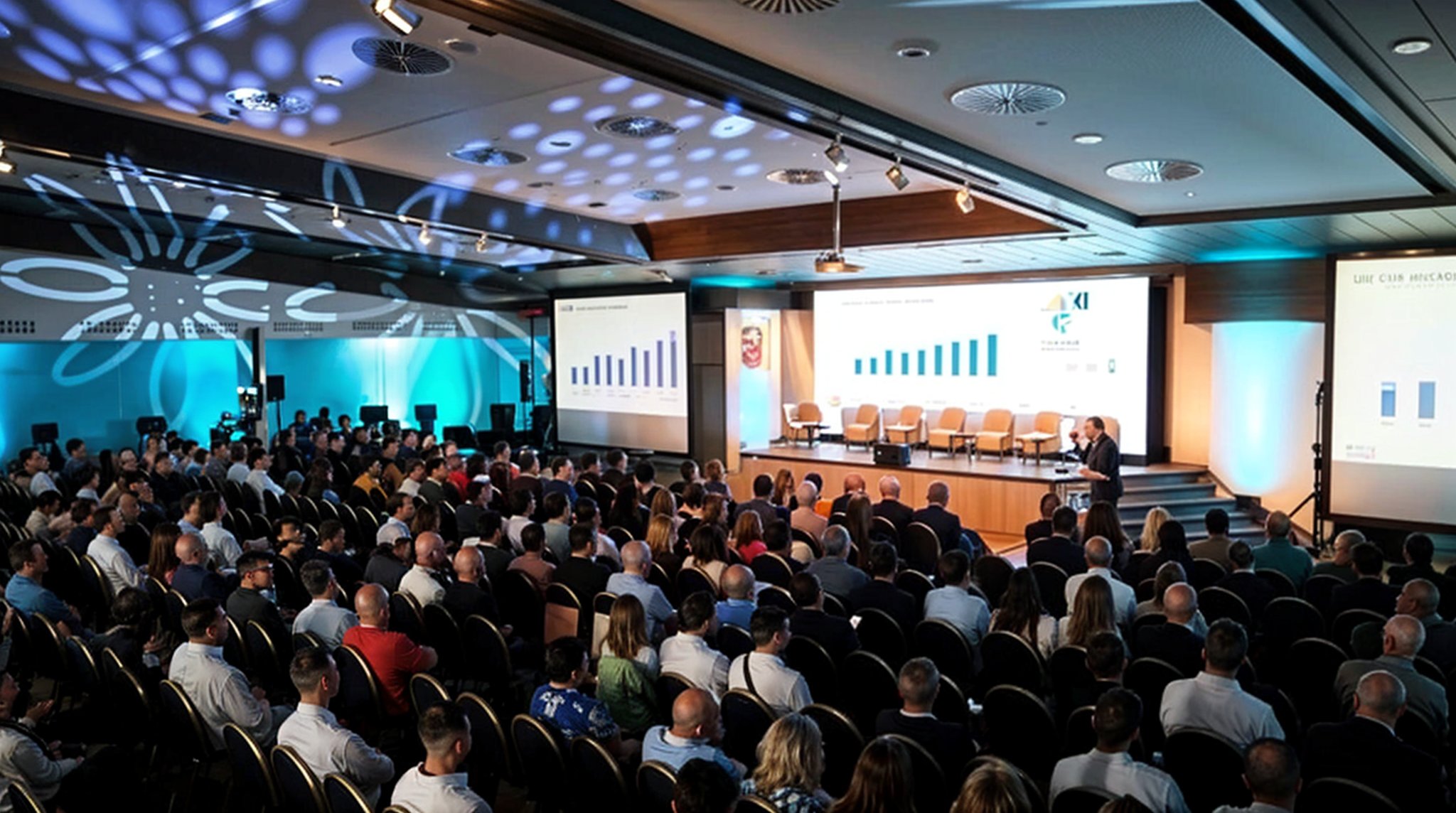
Lumos experts participated in the Fourth Mediterranean Agricultural Forum, AGROMED. The forum once again brought together experts, scientists, and farmers from Croatia and the broader Mediterranean region in 2024. It was organized by the Institute for European and Global Studies in collaboration with the Croatian Ministry of Agriculture, the City of Šibenik, and the Šibenik-Knin County.
The forum is focused on promoting the European Green Deal and the United Nations’ Sustainable Development Goals for 2030. Through expert-scientific discussions, the forum highlights the importance of self-sustainability and self-sufficiency, relying on the rich tradition and practices of Mediterranean agricultural culture. The focus is on an integrated approach that encompasses the Mediterranean way of life and nutrition, with particular emphasis on agricultural crops such as vineyards, olives, and other typical Mediterranean crops.
Since its founding in September 2020, AGROMED has been dedicated to building a new social paradigm that places agriculture at the heart of strategic development, with a focus on the circular economy and bio-eco production. Given contemporary challenges like climate change and pandemics, the forum stresses the need to adapt food production in line with the European Green Deal.
The first panel discussed the application of Agrosolar power plants in Croatia, one of the 10 EU countries that have recognized the potential of this technology. Agrosolar solutions represent an innovative approach that integrates agriculture and energy, enabling dual use of agricultural land while simultaneously generating energy. Panelists included Marko Družetić from the Agency for Payments in Agriculture, Fisheries, and Rural Development; Stefania Skender, a professor from Lumos Energy; Dr. Marko Jelić, Šibenik-Knin County Prefect; and Teo Rakočević from Lumos Energy.
The second panel delved deeper into the advantages and challenges presented by agrosolar systems. The discussion focused on the optimal use of space and potential conflicts with traditional agricultural land use, including protecting crops from extreme weather conditions. Panelists included Edo Jerkić and Toni Batel from Lumos Energy, Milan Škara from Solar Projekt, Dr. Mislav Kontek from EnergoVizija Ltd., and Marko Rebić, a renewable energy consultant from Zagreb.
In response to concerns from some experts about electromagnetic radiation, Lumos specialists explained that the levels of electromagnetic radiation from agrosolar systems are low and comparable to high-voltage power lines. Agrosolar solutions are an undeniable added value, enhancing microclimate protection and increasing economic value. Barriers to the faster implementation of agrosolar solutions in Croatia include a lack of information and low interest among Croatian farmers in new technological solutions and the integration of energy with agriculture, as well as fragmented land parcels.
For more information on the upcoming conference, visit the official organizer’s website: AGROMED Official Website.
solar engineering, project financing, and technical duel diligence. Learn how to avoid hidden costs, and make your solar project a success from day one.


🤦Avoid “Oops” moments (like hidden costs)
🧠 Outsmart sketchy quotes
💸 Save big — before the first panel goes up!